
Water Collection, Treatment, and Distribution Project in El Progreso, Ecuador
The El Progreso Water Project was originally conceived as a thesis by a student at Catholic University. This small farming community of 110 residents had unequal and insecure access to drinking water causing economic disparity. The EWB-USA Portland Maine Professionals chapter (EWB-PMP) partnered with a local NGO, Engineers in Action (EIA), to adopt this project to provide a reliable public drinking water system for the whole community.
Although this project has officially been closed, contact ecuadorlead@ewbportlandmaine.org if you have any questions!
2017 Assessment Trip
During EWB-PMP’s first trip to El Progreso, the project team visited three springs that had potential to become the community’s new water supply source. They took flow measurements and tested the water quality of each one. They also mapped each house and conducted interviews with every household to determine overall challenges and need.
-
EWB-PMP Assessment Team
The team first traveled in 2017 to learn about the community’s current situation, potential water sources and future needs.

-
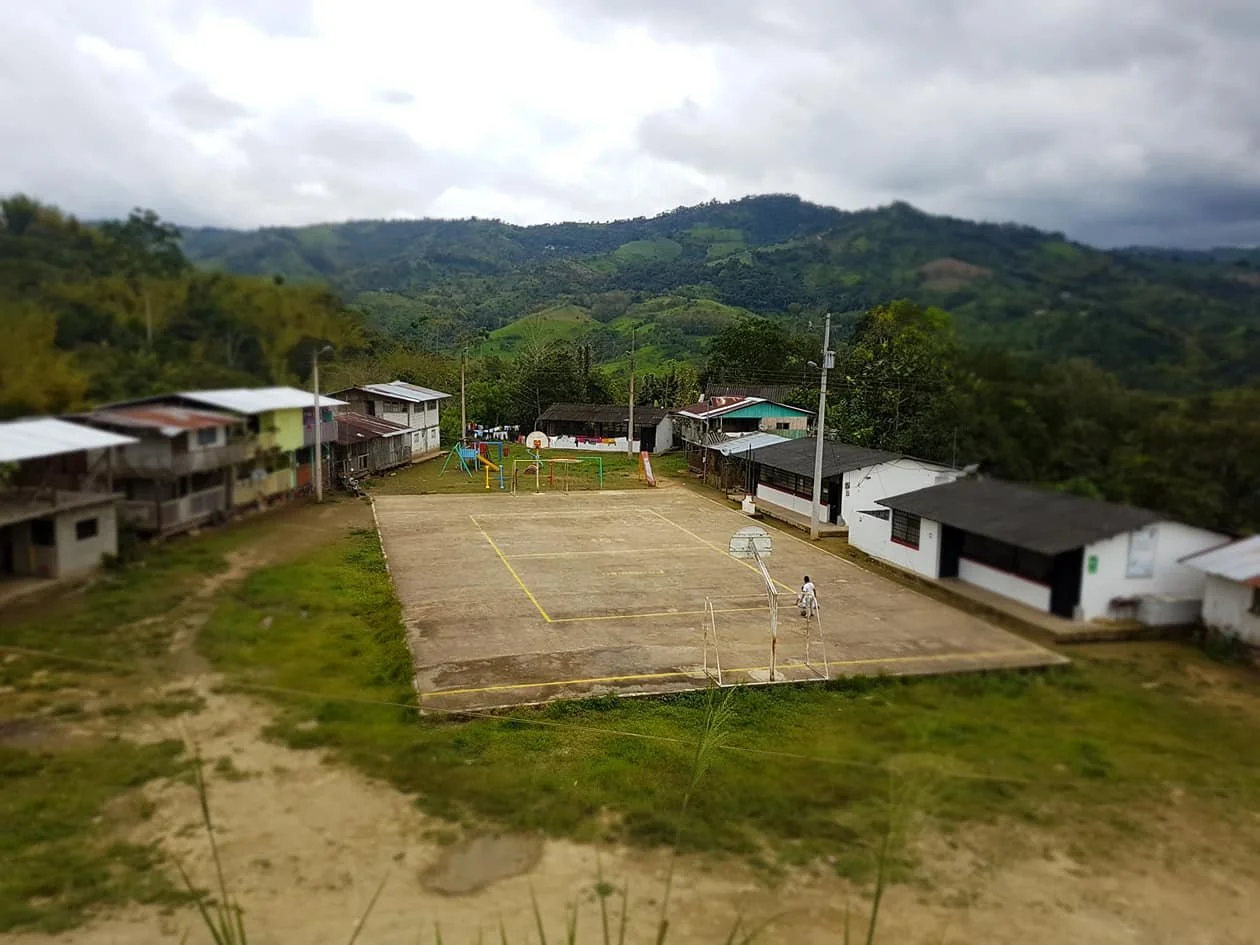
El Progreso Community Center
The El Progreso community center along with most of the homes lie at the foot of some challenging terrain where sugarcane is grown.
-
All Parties Reviewing the Options
Using data gathered in the field and from community members, the team reviewed possible solutions for providing a reliable water system.

Selection of the Water Distribution System
After the Assessment trip, the project team evaluated the data and presented the options to the community. A gravity-fed water distribution system was ultimately selected.
2018 Implementation Trip
The project team traveled to El Progreso in the fall of 2018 for the first phase of implementation that included building a catchment for one of the water sources and installing concrete pads for the water storage tanks.
-
Surveying Double Stream to Storage Tanks
The conduction line goes through steep terrain and ravines.

-
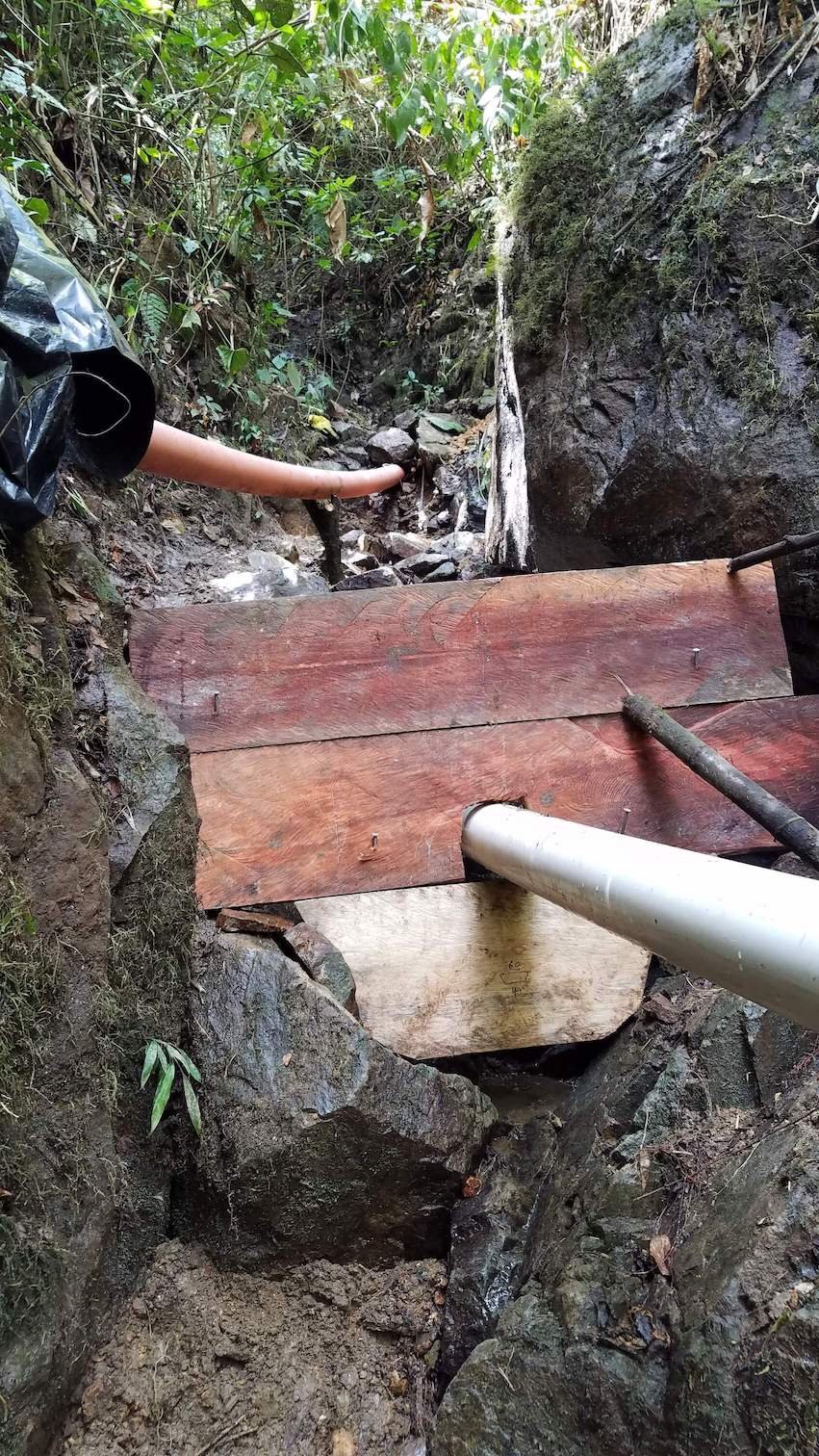
Building the Stream Catchment
A small impoundment traps water from the spring and directs it into a collection pipe.
-
Preparing Concrete Base for Storage Tanks
Members of the project team and the community prepare the site for the water storage tanks and for pouring the concrete slab.

2018 EWB-PMP Project Team and Community Members

2020 Implementation Trip
Construction continued during the second implementation trip. The project team added the piping to the storage tanks, began laying the conduction piping between the spring and the storage tanks, and surveyed half of the water distribution system.
-
Piping at the Storage Tanks
Two 5,000 L water storage tanks were set on the pads constructed during the first implementation trip.

-
Digging the Conduction Line Trench
The project team and community members began digging the conduction line trench and laying the first lengths of pipe.

-
Laying the Conduction Line
The rolls of flexible plastic pipe purchased in-country need time to uncoil before inserting into the trench.

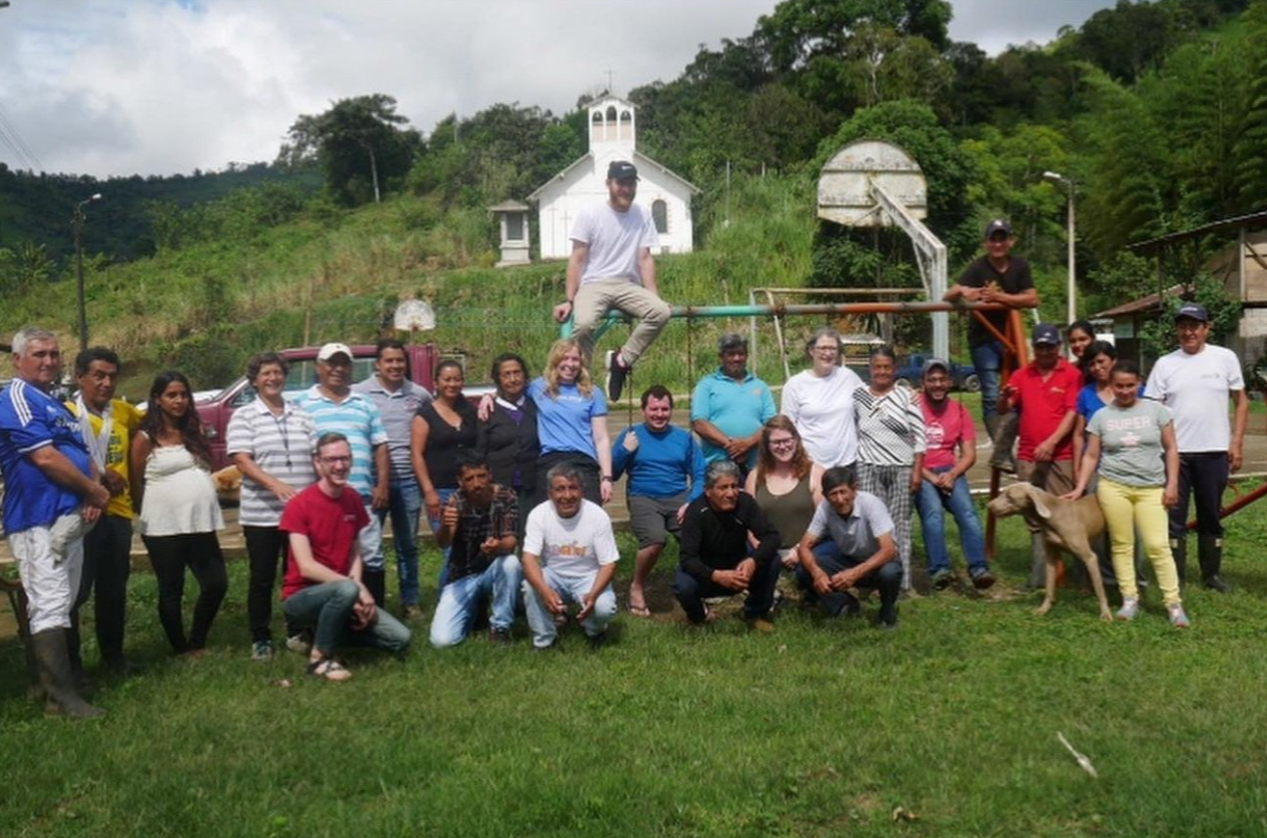
2020 EWB-PMP Project Team and Community Members
2020-2022 Remote Work
Due to the onset of COVID-19, travel was suspended. The project team continued to work on the design of the water system remotely via coordination with the in-country NGO, Engineers in Action (EIA). The team hired a local surveyor to complete a topographic survey of the area between the spring and the storage tanks, as well as the second half of the proposed location of the water distribution system. Using this information, the project team established the basis of the water system model. Additionally, the project team hired EIA to collect water quality samples to establish what water treatment would be necessary for the system.
2023 Implementation Trip
After three years of COVID-19 travel restrictions, the project team was finally able to visit the community again. This trip included reconstruction of the existing stream catchment intake structure as well as site assessment and gathering the data needed to complete design of the remaining system components.
-
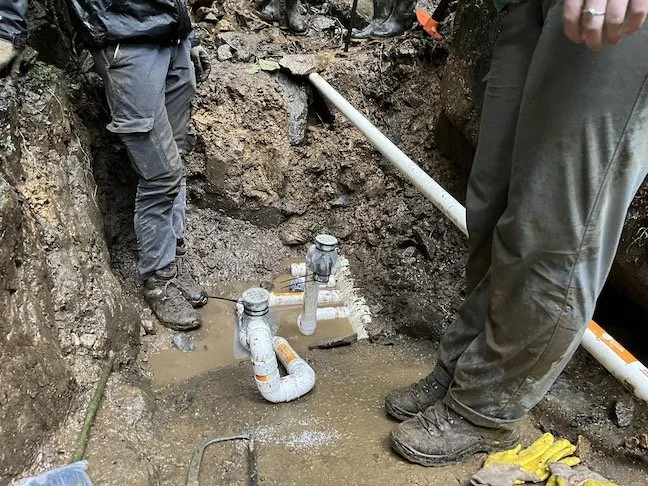
Rebuilding the West Catchment
The stream catchment intake structure had been clogged with sediment over time. The project team rebuilt it so water would enter pipes at the surface of the catchment instead of the bottom where sediment would settle out.
-
Surveying the Biosand Area
The area available for potential construction of the bio-sand filter was measured.

-
Walking the Distribution System
Water will be distributed throughout the community using a network of pipes installed along the road. This trip involved mapping out the proposed distribution line.

2024 Implementation Trip 1
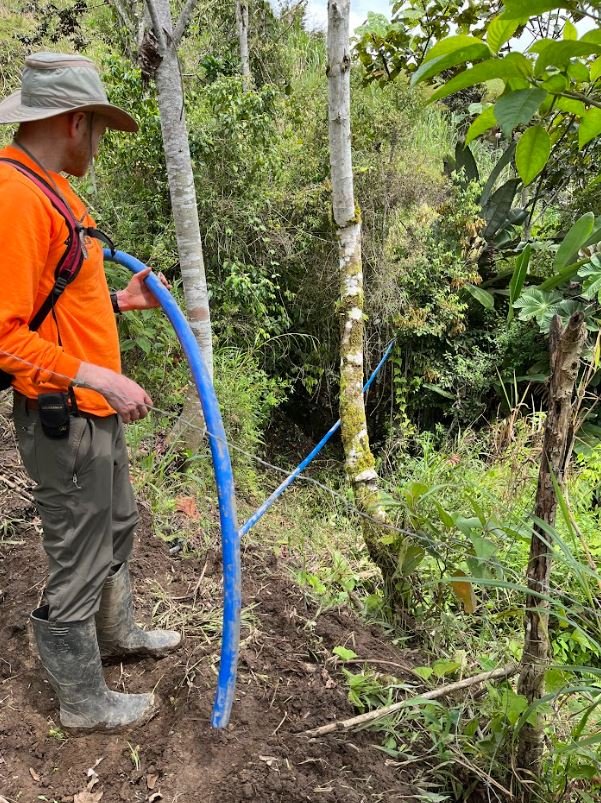
This trip included construction of the spring box catchment structure and intermediate storage tank as well as the chlorination system. This trip also included construction of the conduction line as well as the first break pressure tank at the water storage tank location.
-
Chlorination System

-
Conduction Line Piping
-
Break Pressure Tank

2024 Implementation Trip 2
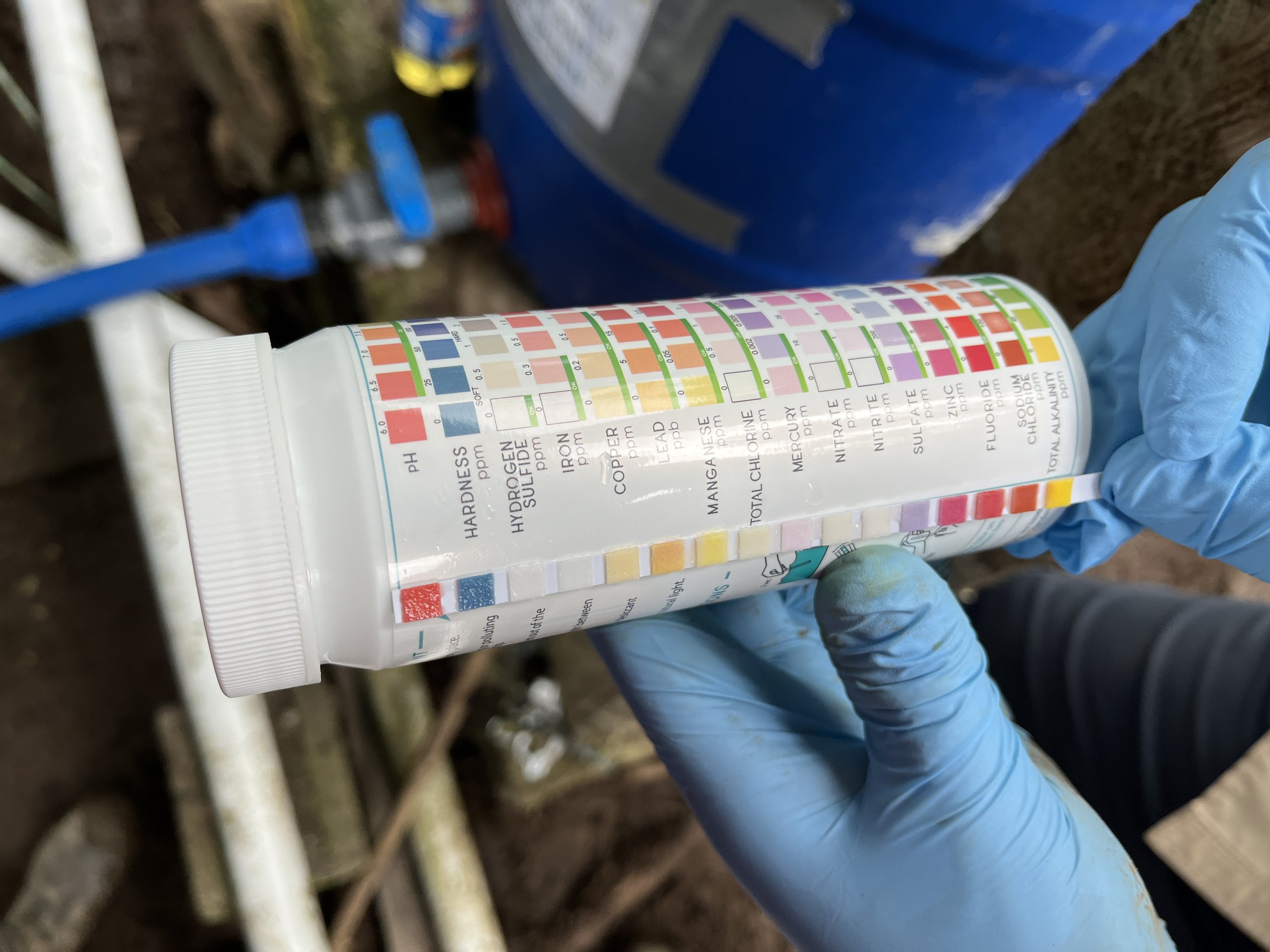
This trip included construction of the distribution piping network, testing of the chlorination system, and teaching the community how to construct the tap stands. The project team also installed a clean-out in the conduction pipeline as well as air release valves for better operation of the gravity network. The community also installed a roof over the intermediate storage tank and added supports to some ravine pipe crossings in the distribution line.
-
Chlorination Testing
-
Distribution Piping Network

-
Tap Stand Construction

2025 Operation and Maintenance Trip
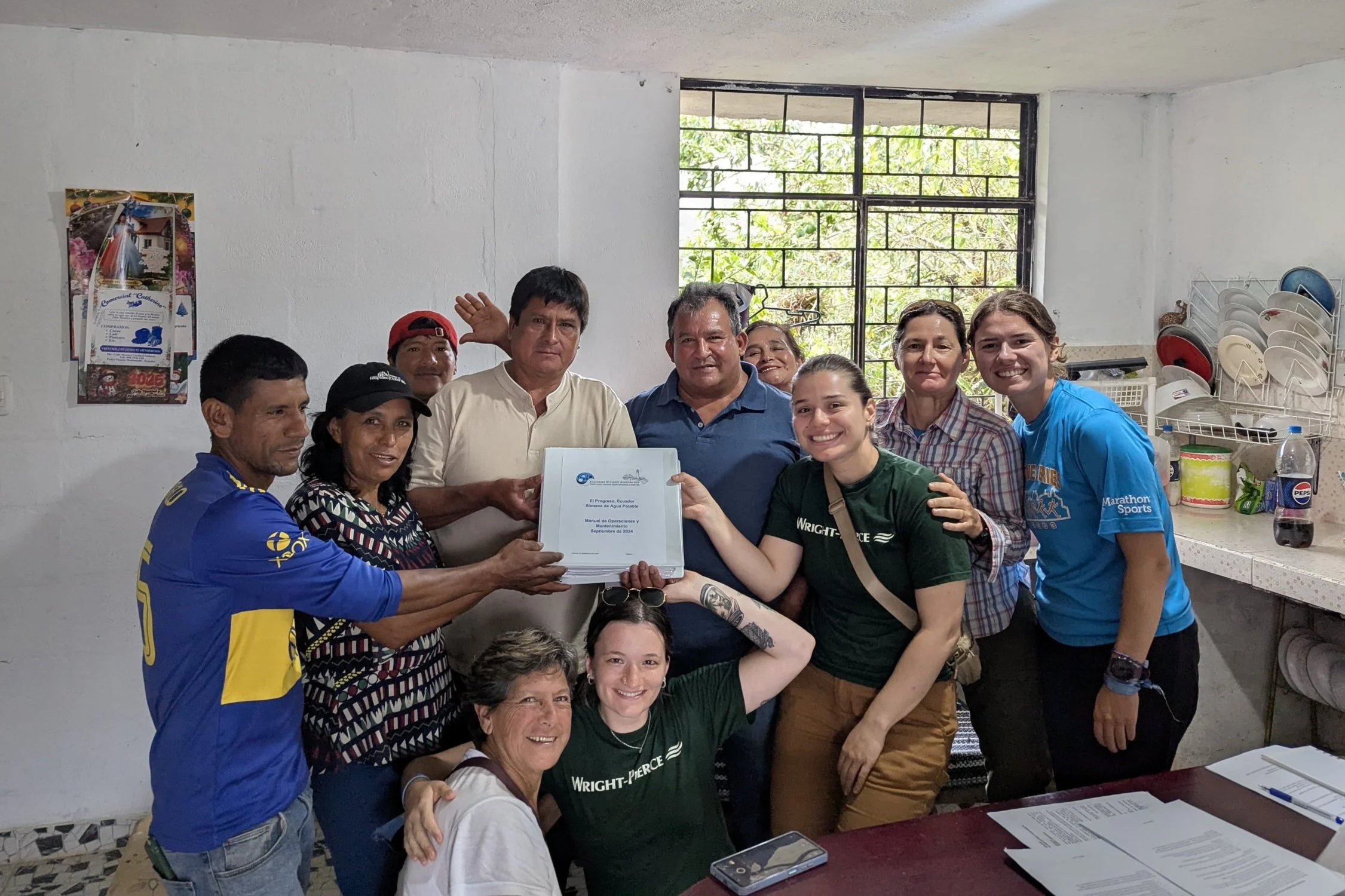
In this trip, project team conducted PMEL surveys, reviewed operation and maintenance requirements with the operator, and passed off the responsibility of maintenance and ownership of the system to the community.
-
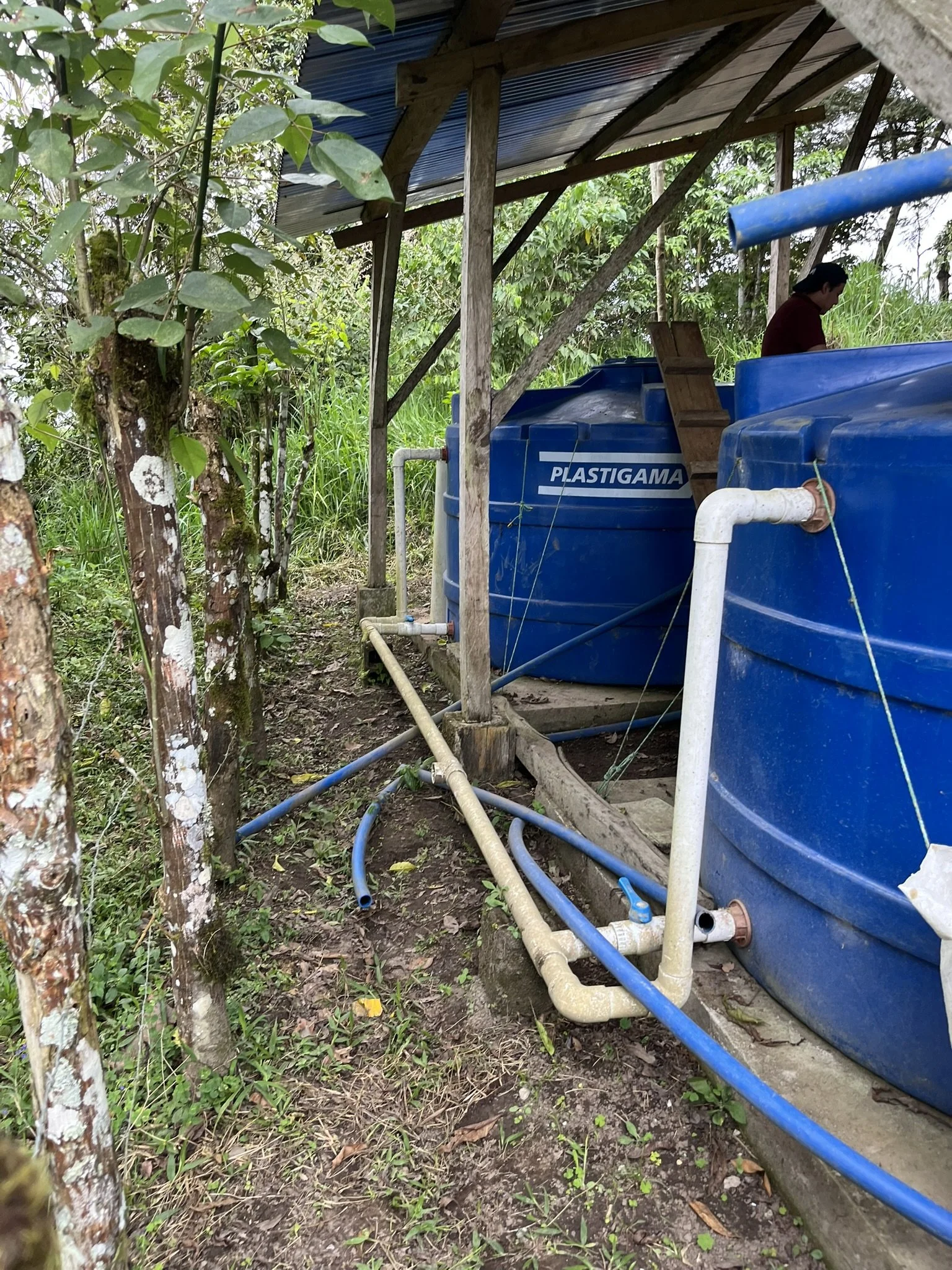
Storage Tank Piping
-
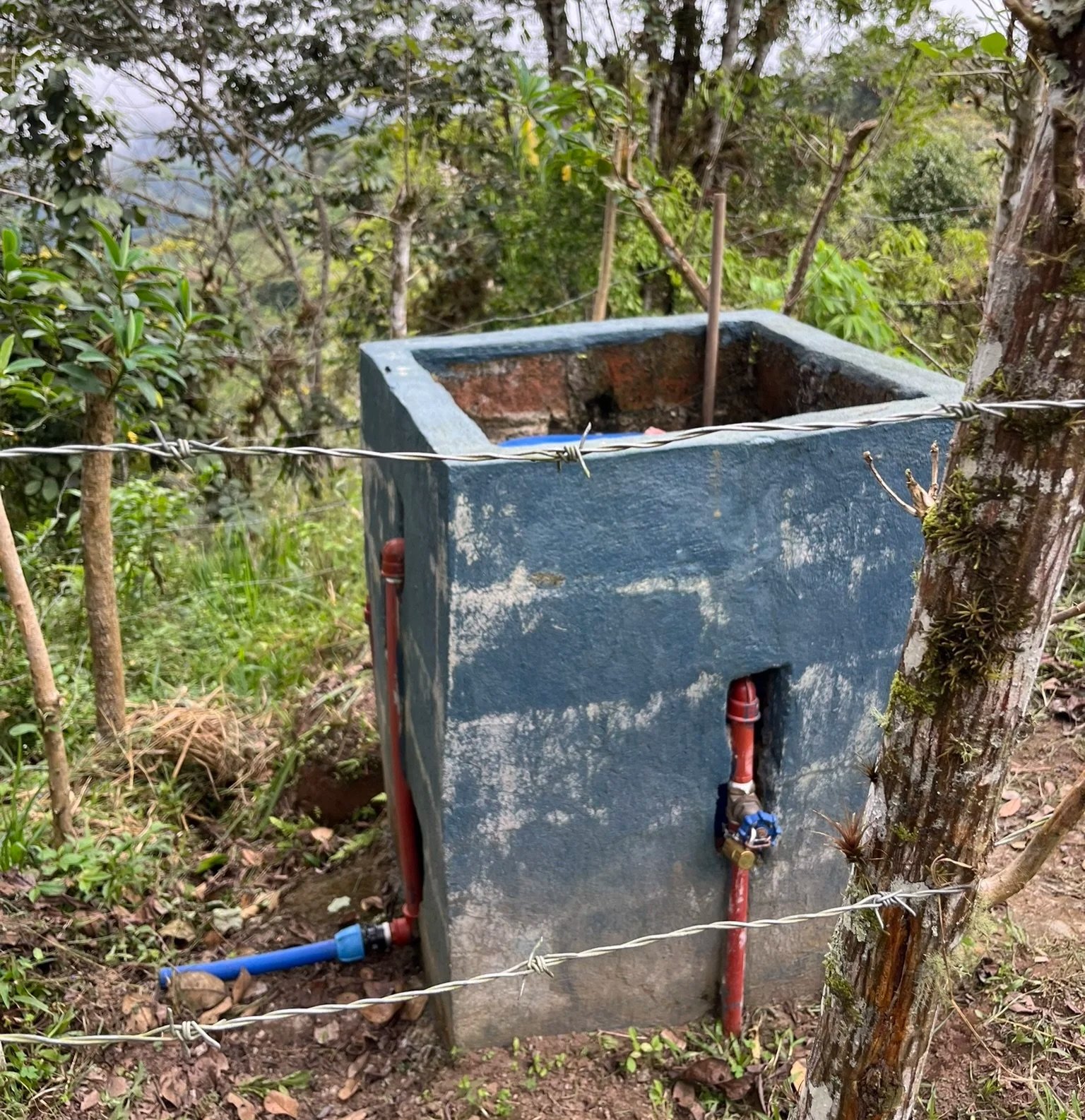
Break Pressure Tank
-
Water Board Team and O&M Manual